

The Holiday Home Communication Playbook
Establish clear communication channels that prevent misunderstandings and build excitement.
Communication breakdowns are the number one cause of conflict in shared holiday home arrangements. Whether you're splitting a beach house with extended family, co-owning a mountain cabin with friends, or managing a property with multiple stakeholders, establishing clear, consistent communication protocols from the start can mean the difference between harmonious getaways and holiday home drama.
The reality is that most people enter shared holiday home arrangements with the best intentions but without thinking through the practical communication challenges. Who decides when maintenance needs to be done? How do you handle last-minute booking changes? What happens when someone leaves the property in less-than-perfect condition? These situations are inevitable, but they don't have to derail your shared ownership experience.
Good communication isn't just about preventing problems – it's about building excitement, fostering a sense of shared ownership, and creating positive anticipation for upcoming trips. When everyone feels informed, heard, and valued, your holiday home becomes a source of joy rather than stress.
The Foundation: Setting Communication Expectations
Before diving into specific tools and strategies, it's crucial to establish ground rules that everyone agrees to follow. This isn't about creating bureaucracy – it's about preventing the small misunderstandings that can snowball into major conflicts.
Start by having an honest conversation about communication preferences within your group. Some people prefer text messages for quick updates, while others find constant notifications overwhelming. Some groups thrive on detailed planning discussions, while others prefer a more spontaneous approach. Understanding these preferences upfront helps you choose the right tools and establish realistic expectations.
Consider creating a simple communication charter that outlines how your group will handle different types of communication. This might include response time expectations (24-48 hours for non-urgent matters), preferred channels for different types of messages (booking requests vs. maintenance issues), and protocols for emergency situations.
Group Chat Etiquette That Actually Works
Use a Dedicated Group Chat for Home Updates
One of the most effective strategies is creating a dedicated group chat specifically for your holiday home. This keeps all property-related communication in one place and prevents important messages from getting lost in the noise of general friend or family chats.
Choose a platform that works for everyone in your group. WhatsApp, Telegram, and iMessage groups are popular choices, but consider factors like international usage (if you have group members in different countries), file sharing capabilities, and notification management features.
The key to a successful group chat is purposeful use. Reserve this channel for information that's relevant to the entire group: booking announcements, maintenance updates, house rule reminders, and shared expenses. Avoid using it for personal conversations or off-topic discussions that might cause some members to mute notifications.
Keep Messages Clear and Respectful
Establish guidelines for how messages should be formatted and what tone to use. Clear, respectful communication prevents misunderstandings and keeps the group dynamic positive.
Use specific subject lines or message prefixes to help people quickly identify the type of information being shared. For example:
- "BOOKING: [Dates] - [Name]" for reservation announcements
- "MAINTENANCE: [Issue] - [Status]" for property updates
- "EXPENSE: [Amount] - [Description]" for shared costs
- "URGENT: [Issue]" for time-sensitive matters
Before posting expense updates, agree which costs are equal, ownership-based, usage-based, or personal. This practical guide to splitting vacation home expenses includes a worked example and a one-page policy checklist.
Encourage group members to acknowledge important messages with a simple emoji reaction or brief response. This helps ensure that everyone has seen critical information and prevents the awkward situation where someone asks "Did everyone see my message about..."
Managing Group Chat Dynamics
Not everyone communicates the same way, and group chats can sometimes amplify personality differences. Some people are naturally more verbose, while others prefer minimal communication. Some members might be quick to respond, while others check messages less frequently.
Address these differences by establishing norms that work for your specific group. This might include setting expectations for response times, encouraging people to use reactions instead of individual "OK" messages (which can flood the chat), and having a plan for handling disagreements that arise in the group setting.
Booking Systems That Prevent Double-Bookings and Disputes
Use a Shared Online Calendar for Reservations
A shared calendar is absolutely essential for any holiday home arrangement. This isn't just about preventing double-bookings – it's about creating transparency and fairness in how the property is allocated.
Choose a calendar system that allows everyone to view and edit bookings in real-time. Google Calendar, Apple's shared calendars, or specialized vacation rental management platforms all work well. The key is ensuring that everyone has access and knows how to use the system.
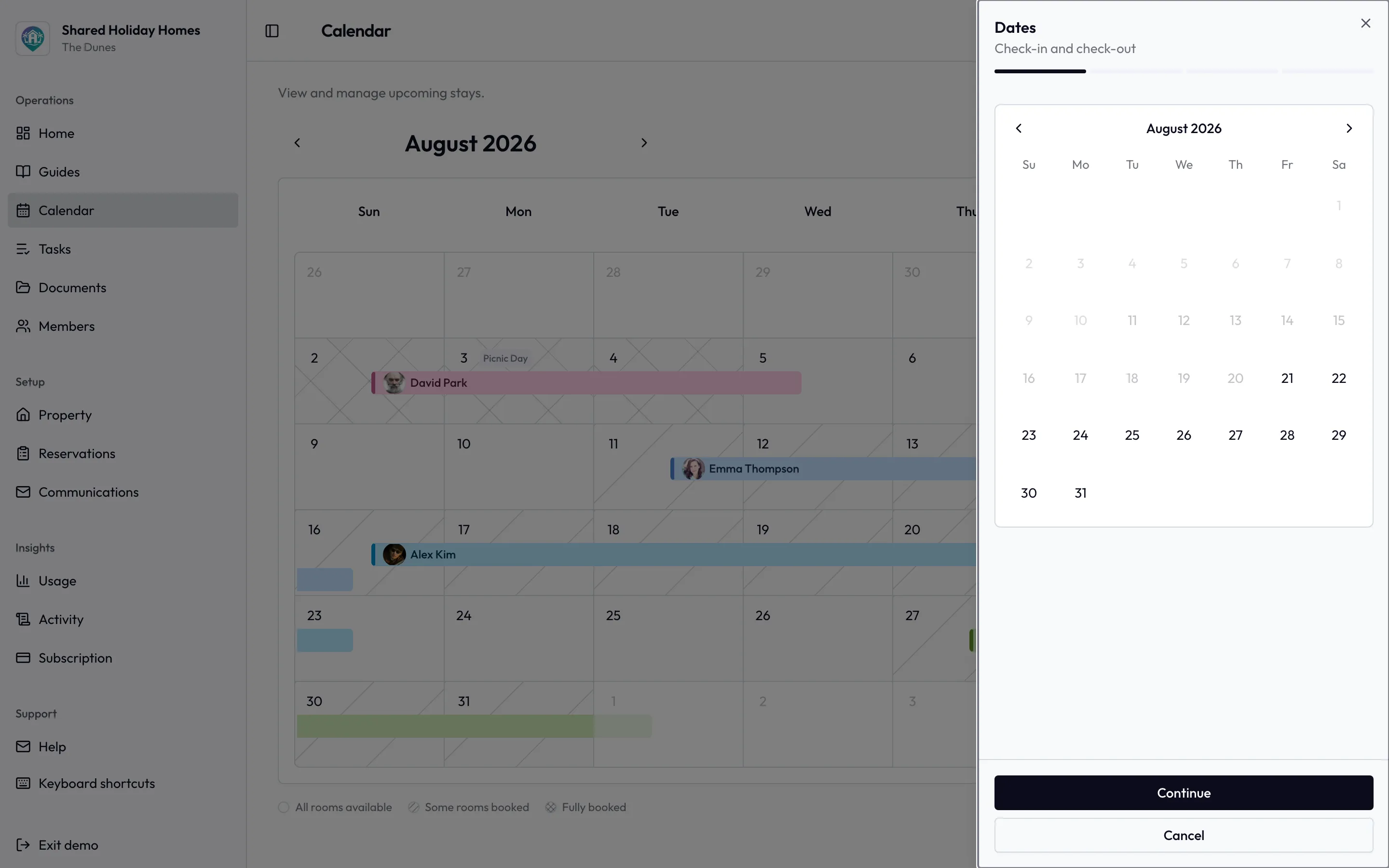
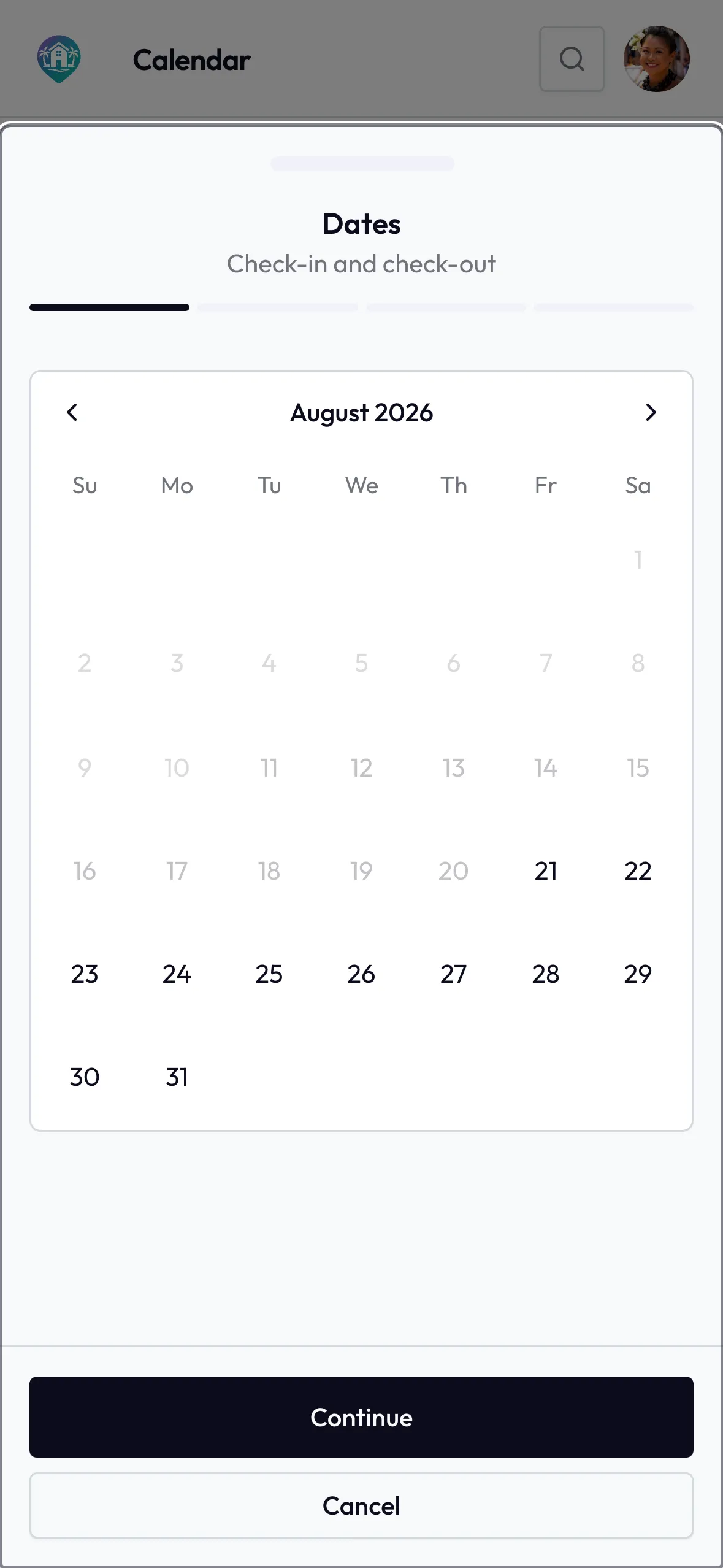
Confirm stays in the same place everyone can see, so a chat mention does not compete with a real reservation.
Color-code different types of bookings to make the calendar easy to read at a glance. You might use different colors for different families, or to distinguish between confirmed bookings, tentative holds, and maintenance periods. Include essential details in each calendar entry: who's staying, how many guests, special notes about pets or events, and contact information for the primary organizer.
Confirm Bookings in Writing
Even with a shared calendar, it's important to have a system for confirming bookings formally. This creates a paper trail and ensures that everyone is on the same page about dates, guest counts, and any special arrangements.
Consider implementing a simple booking confirmation process: when someone adds dates to the calendar, they should also send a message to the group chat confirming the details. This gives other group members a chance to raise any conflicts or concerns before the dates are set in stone.
For more complex arrangements, you might use email confirmations that include important details like house rules, emergency contact information, and check-in/check-out procedures. This is particularly helpful when different group members have different levels of familiarity with the property.
Handling Booking Changes and Cancellations
Life happens, and sometimes plans change. Establish clear protocols for how to handle booking modifications that affect the group. This might include minimum notice requirements for cancellations, procedures for finding replacement users, and guidelines for handling any financial implications.
Consider implementing a fair rotation system or priority system for popular dates (holidays, peak season weekends). Some groups use a first-come-first-served approach, while others rotate who gets priority for major holidays each year. The key is having a system that everyone understands and agrees is fair.
Conflict Resolution Strategies
Address Issues Early and Directly
The most successful shared holiday home arrangements are those where small issues are addressed quickly before they become major problems. This requires creating a culture where people feel comfortable raising concerns without fear of creating drama or being seen as difficult.
Encourage direct communication between the parties involved when possible. If someone consistently leaves the property messy, it's better to address this directly rather than letting resentment build up. Provide templates or examples of how to raise concerns constructively.
When issues do arise, focus on specific behaviors rather than personal attacks. Instead of "You never clean up after yourself," try "I noticed the kitchen wasn't cleaned after your last visit. Can we talk about our cleanup expectations?"
Use a Neutral Third Party if Needed
Sometimes conflicts require outside perspective to resolve fairly. Designate someone within your group who can serve as a neutral mediator, or establish a relationship with an external mediator if needed.
For property-related disputes, consider consulting with professionals who understand vacation rental management. They can provide objective guidance on issues like fair usage policies, maintenance responsibilities, and cost-sharing arrangements.
Document Decisions and Agreements
When conflicts are resolved, document the outcome and any new agreements that result. This prevents the same issues from arising repeatedly and provides a reference point for future decisions.
Keep a simple log of major decisions and policy changes. The shared holiday home decision log template separates the final wording, approval route, effective date, superseded rule, follow-up, and review trigger from the surrounding discussion. It is an operating record, not a replacement for any formal process or document the group requires.
Creating Positive Communication Patterns
Share the Joy
Don't reserve your holiday home communication for problems and logistics. Share photos from great trips, highlight positive experiences, and celebrate the success of your shared arrangement. This builds goodwill and reminds everyone why they entered into the arrangement in the first place.
Create opportunities for the group to connect beyond property management. This might include an annual gathering, shared photo albums, or regular check-ins about how the arrangement is working for everyone.
Stay Proactive
Regular communication prevents many issues before they start. Consider quarterly "state of the house" discussions where the group can review how things are going, address any emerging issues, and plan for upcoming needs.
Share maintenance schedules, seasonal preparation tasks, and long-term planning discussions. When everyone understands what's happening with the property, they're more likely to support necessary expenses and changes.
Technology Solutions That Streamline Communication
Modern technology offers numerous tools specifically designed for shared property management. While your current system of group chats and shared calendars might be working, consider whether specialized platforms could improve your communication and coordination.
Some groups find success with property management apps that combine calendar booking, expense tracking, and communication features in one platform. These tools can be particularly helpful for larger groups or more complex arrangements.
The key is choosing tools that your entire group will actually use. The most sophisticated system in the world won't help if half your group members find it too complicated or forget to check it regularly.
Making Communication a Competitive Advantage
When your holiday home communication system works well, the group spends less time reconstructing past messages and more time acting on current information. Clear channels, written booking rules, and a durable record of final decisions make the operating position easier for every co-owner to find.
Remember that good communication isn't just about having the right tools – it's about creating a culture of openness, respect, and shared responsibility. When everyone feels heard and valued, your holiday home becomes a source of joy and connection rather than stress and conflict.
The investment in establishing clear communication protocols pays dividends in reduced stress, fewer conflicts, and more enjoyable shared experiences. Start with the basics – a dedicated group chat and shared calendar – then build more sophisticated systems as your group's needs evolve.